

For individuals with Spanish roots, seeking Spanish citizenship by ancestry is both a valid pathway to nationality and an exciting opportunity to reconnect with one’s cultural background. But it’s important to note that, like many countries’ citizenship laws, Spain’s requirements for citizenship by descent applicants are nuanced and deeply connected to Spanish nationality law and jus sanguinis principles.
Spanish citizenship by ancestry applicants commonly face questions about eligibility, which citizenship laws apply to their cases, and what documentation is required, especially when dealing with Spanish laws, national identity, and records from Spanish grandparents affected by events such as the Spanish Civil War and broader historical memory debates. In this guide, we answer FAQs about fees, language requirements, eligibility, laws, and more for Spanish citizenship applicants.
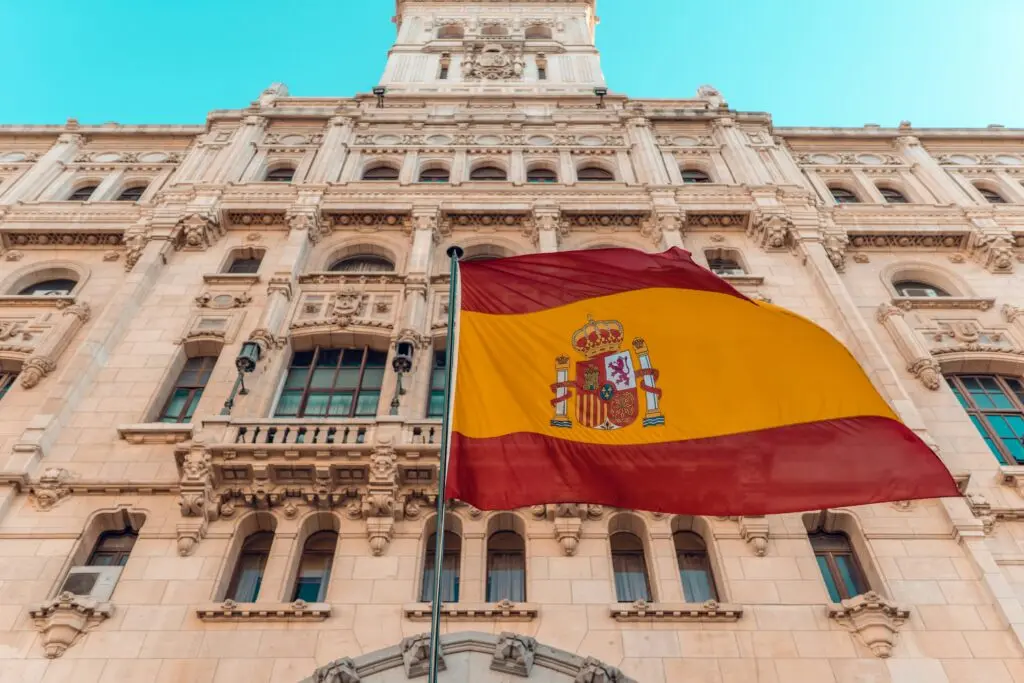
Spanish Citizenship by Ancestry Application: Common Questions
Are there Spanish language requirements for citizenship?
Unlike residency-based citizenship, the Spanish citizenship by ancestry process does not require applicants to show proficiency in the Spanish language.
There is an exception, however, for those seeking Spanish citizenship as a descendant of a Sephardic Jew who was expelled in 1492; in this case you must demonstrate basic Spanish proficiency (DELE Level A2) through language test results.
How much does it cost to apply for citizenship?
The Spanish nationality application fee is €104, and Spanish language and culture test fees (for Sephardic descendant applications) are roughly €220.
Additionally, you may incur fees for possible case appeals, translating foreign documents to support your application, as well as apostille or legalization fees, often requiring assistance from immigration lawyers, a Notary Public, or a Spanish immigration team, depending on your jurisdiction.
Can I apply for Spanish ancestry citizenship from abroad?
Yes, if you live abroad, you can still apply for ancestral citizenship. You’ll direct your application and supporting documentation through the relevant foreign diplomatic mission – an embassy or consular office – in your jurisdiction, such as a Spanish embassy, and ensure all required residency documentation is included.
Can I get Spanish citizenship through my great-grandparent?
Great-grandchildren do not qualify for Spanish citizenship under ordinary citizenship law, unless each generation in between maintained Spanish nationality and registered it properly (the parent would have to have registered as Spanish prior to the child’s birth). This is often misunderstood in relation to the Grandchildren Law, Historical Memory Law, historic memory law, and the more recent Memoria Democrática, all of which have specific, time-limited eligibility conditions tied to Civil War and diaspora histories.
Did Spanish citizenship by descent end?
No, only the simplified pathway to citizenship by descent – through the Democratic Memory Law – has closed to applicants (as of October 22, 2025). You can still apply for Spanish citizenship by ancestry through the standard naturalization process, though it is more lengthy and follows the traditional frameworks within the Civil Code and EU law.
Who processes Spanish citizenship by ancestry applications?

Applications for Spanish citizenship by ancestry are processed and decided upon by the Ministry of Justice. Residents of Spain submit applications to Civil Registry Offices within Spain, while those residing abroad submit applications through the relevant Spanish consular offices. Cases tied to older records may need verification through the Spanish Civil Registry, Central Civil Registry, or a Civil Registrar.
Which documents do I need to apply?
Required documents include civil records such as birth, marriage, adoption, and sometimes death certificates; proof of Spanish ancestry like ancestors’ birth certificates; and legal and ID documents such as passports, police clearances, proofs of residence, and consular application forms. For a more detailed breakdown, check out our guide to required documents for Spanish citizenship applications.
Can I get a Spanish passport?
Yes, if your Spanish nationality application is successful, you must first attend a citizenship ceremony, swearing allegiance to the Spanish Constitution. Then, you can apply for your Spanish passport and ID at a Civil Registry Office in Spain or at your nearest consulate.
Final Thoughts
For many people in Spanish diasporas around the world, acquiring Spanish citizenship through ancestry is a chance to reconnect with their familial roots. Furthermore, acquiring citizenship in Spain affords you EU citizenship and the associated travel, work, and residency rights across Europe.
Ready to learn your eligibility status? Want to get connected with a citizenship expert who can guide you through the application process? Sign up with Citizenship.EU today and get started.